How Credit Literacy Reduces Financial Stress and Improves Everyday Money Decisions

Financial stress affects millions of households worldwide, often not because people lack income, but because they lack clarity about how credit works. Credit literacy empowers individuals to understand borrowing, repayment structures, credit scores, and long-term financial consequences. With this knowledge, everyday decisions become more intentional, controlled, and less stressful.
Credit literacy is not only about avoiding debt. It is about learning how to use credit responsibly as a tool for stability, opportunity, and confidence in personal finance.
Understanding Credit Literacy
Credit literacy refers to the ability to understand how borrowing works and how credit influences financial health. It includes knowledge of interest rates, repayment schedules, credit reports, credit scores, and the impact of financial habits on long-term stability.
A credit-literate individual typically knows:
- how credit cards function beyond minimum payments
- how loan terms affect total repayment cost
- why credit scores change over time
- how late payments influence borrowing ability
- how to evaluate safe borrowing limits
This awareness prevents impulsive decisions and builds stronger financial discipline.
Why Financial Stress Often Begins With Poor Credit Awareness
Many people experience stress because they borrow without fully understanding the consequences. Unexpected interest accumulation, penalties, and falling credit scores can create pressure that feels overwhelming.
Common causes include:
- misunderstanding minimum payment requirements
- taking multiple loans simultaneously
- ignoring credit reports
- relying heavily on short-term borrowing
- missing payment deadlines
Credit literacy replaces uncertainty with clarity. When individuals understand how borrowing affects them, they gain control over their financial direction.
How Credit Literacy Improves Everyday Money Decisions
Daily financial choices become more strategic when people understand how credit works.
Better Budget Planning
Credit-aware individuals recognize how repayments fit into their monthly income structure. They plan spending more carefully and avoid committing to payments they cannot sustain.
They typically:
- allocate funds toward repayment before discretionary spending
- track borrowing alongside essential expenses
- maintain emergency reserves
- avoid unnecessary credit dependence
This reduces surprises and strengthens financial stability.
Smarter Use of Credit Cards
Credit cards can either support financial growth or create long-term debt pressure. The difference lies in how they are used.
Credit-literate individuals:
- pay full balances whenever possible
- avoid high utilization levels
- monitor billing cycles
- understand interest calculation methods
These habits protect credit scores and reduce interest burdens.
Improved Loan Selection
Not all loans are equal. Credit literacy helps individuals compare options before committing.
Key evaluation factors include:
- interest structure
- processing charges
- repayment flexibility
- penalty clauses
- total borrowing cost over time
This ensures borrowing decisions align with long-term goals rather than short-term convenience.
The Role of Credit Scores in Reducing Financial Anxiety
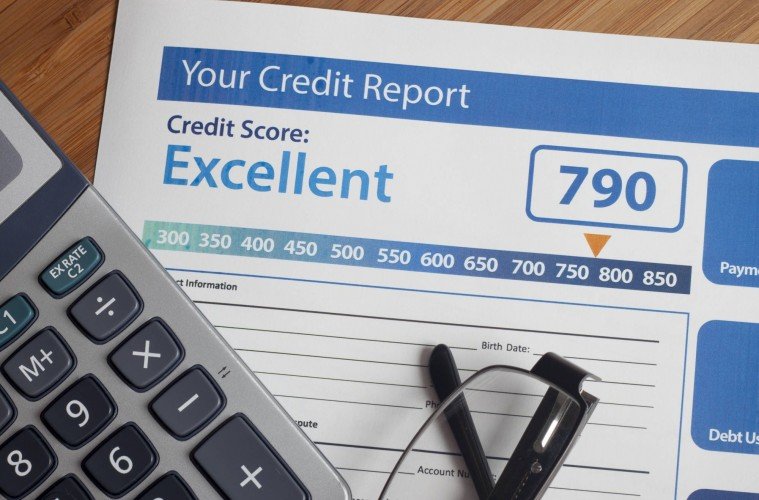
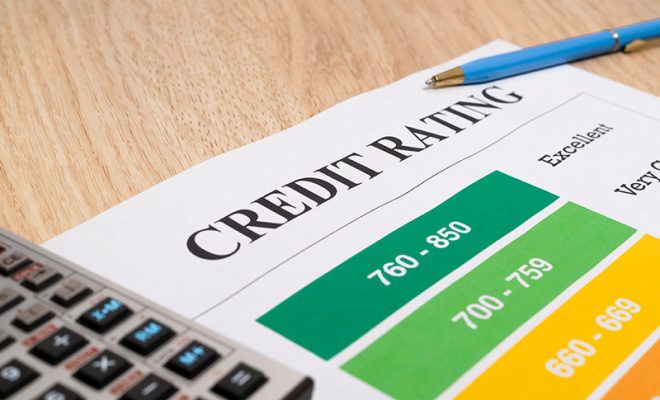
A strong credit score opens access to better financial opportunities such as lower interest rates, easier approvals, and flexible repayment terms.
When individuals understand how credit scores work, they avoid behaviors that damage them.
Healthy practices include:
- paying dues on time
- limiting frequent loan applications
- maintaining low credit utilization
- checking credit reports regularly
- keeping older accounts active responsibly
Confidence grows when individuals know their financial profile supports future borrowing needs.
How Credit Literacy Encourages Long-Term Financial Confidence
Knowledge removes uncertainty. Instead of reacting to financial challenges, credit-literate individuals anticipate them and prepare accordingly.
They are more likely to:
- plan major purchases carefully
- avoid high-risk borrowing
- negotiate better loan terms
- maintain repayment discipline
- protect their financial reputation
This confidence directly reduces emotional pressure associated with money decisions.
Credit Literacy Supports Emergency Preparedness
Unexpected expenses often trigger financial stress. Without preparation, people rely on expensive borrowing options.
Credit literacy helps individuals:
- maintain healthier credit access
- secure lower interest emergency loans
- avoid panic borrowing
- plan repayment strategies in advance
Prepared households recover faster from financial disruptions.
The Connection Between Credit Awareness and Lifestyle Stability
Credit literacy supports better lifestyle planning by encouraging thoughtful financial commitments. Individuals avoid overextending themselves and maintain balance between income, borrowing, and expenses.
This stability leads to:
- reduced repayment pressure
- predictable monthly budgeting
- improved savings consistency
- stronger financial independence
Over time, disciplined credit behavior builds resilience against economic uncertainty.
Practical Steps to Improve Credit Literacy
Improving credit literacy does not require professional training. Simple habits can make a meaningful difference.
Effective steps include:
- reviewing credit reports regularly
- understanding loan agreements before signing
- learning how interest accumulates
- setting payment reminders
- limiting unnecessary credit applications
- tracking repayment timelines carefully
Small improvements in awareness can significantly reduce long-term financial stress.
How Families Benefit From Shared Credit Awareness
When families discuss borrowing decisions openly, they make stronger financial choices together. Shared credit literacy prevents misunderstandings and supports coordinated planning.
Benefits include:
- improved household budgeting
- reduced dependency on emergency borrowing
- better preparation for major expenses
- stronger long-term financial security
Financial transparency within families creates stability across generations.
Frequently Asked Questions
What is the difference between credit literacy and financial literacy
Financial literacy covers overall money management including saving, investing, and budgeting, while credit literacy specifically focuses on borrowing behavior, repayment planning, and credit score management.
How quickly can credit literacy reduce financial stress
Many people notice improvement within a few months once they begin tracking repayments, understanding interest costs, and monitoring credit reports regularly.
Does checking a credit report lower a credit score
No. Checking your own credit report is considered a soft inquiry and does not negatively affect your score.
Can credit literacy help avoid unnecessary loans
Yes. Understanding borrowing costs and repayment commitments helps individuals evaluate whether a loan is truly necessary before applying.
Is credit literacy important for people without credit cards
Yes. Even individuals without credit cards benefit from understanding loan eligibility, repayment planning, and credit score development.
How does credit literacy influence long-term borrowing ability
Consistent responsible credit behavior improves credit history, making it easier to access lower interest loans and better financial opportunities in the future.
Can young adults benefit from learning credit literacy early
Yes. Early awareness helps young adults build strong financial habits that prevent debt problems and support long-term stability.