Master Your Budget with a Mortgage Calculator: The Essential Tool for Homebuyers
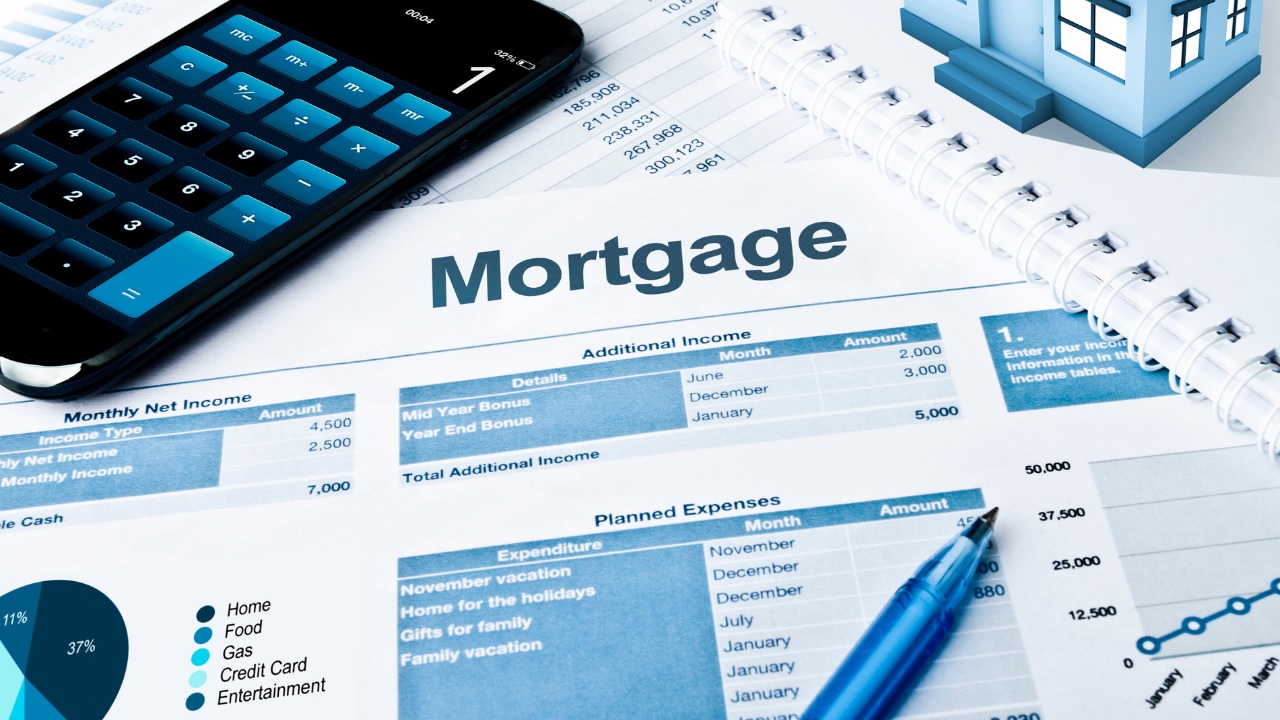
Buying a home is one of life’s biggest financial decisions, and navigating that process wisely can make a world of difference. One of the most powerful yet underutilized tools available to prospective buyers is the mortgage calculator. By inputting just a few key details, this tool offers valuable insights into what you can afford and how different scenarios affect your payments. Whether you’re comparing loan types, factoring in insurance and taxes, or evaluating the impact of your credit score, a mortgage calculator helps you budget smarter and plan with confidence.
Demystifying the Workings: How a Mortgage Calculator Operates
Understanding the Fundamentals of Home Loans: The Anatomy of a Mortgage
Before employing a mortgage calculator, fully comprehending the elemental components constituting a home loan is pivotal. Essentially, a mortgage is a loan uniquely applied towards procuring real property, whereby the property serves as collateral.
Chief among the constituents of a mortgage are the principal, interest, term, and amortization schedule. The principal denotes the complete sum borrowed, whereas interest symbolizes the cost of borrowing the principal, expressed as a percentage.
The term refers to the length of time permitted to repay the loan, typically varying from 15 to 30 years. The amortization schedule outlines how your loan installments are structured over time, detailing how much goes toward principal and interest in each payment.
Comprehending these conditions is crucial for effective budgeting and financial planning. This understanding enables you to make more informed decisions regarding the optimal mortgage choice for your financial circumstances.
The Magic of Monthly Payments: Fixed versus Fluctuating Rates
Those who choose a fixed-rate mortgage can rest assured knowing their interest rate will remain static for the life of the loan. This predictability permits effortless budgeting and shields homeowners from potential increases in interest rates.
Alternatively, ARMs (adjustable-rate mortgages) provide reduced opening rates that may vary after a specified period. While ARMs initially save borrowers money, fluctuations constitute risks. Therefore, using a mortgage calculator to simulate both fixed and adjustable options is essential to understanding how changes can impact your long-term budget.
Decoding Amortization: What It Implies for Your Wallet
Though amortization appears technical, understanding it is key to how loans are structured and their financial impact. In early years, more of your payment covers interest; later, more goes toward the principal.
Amortization planning with a mortgage calculator allows you to simulate various repayment strategies, such as prepayments or refinancing, which can significantly affect your financial outcome.
Credit Scores Count: How Your Financial Past Shapes Your Mortgage Future
Your credit score plays a crucial role in the loan terms you receive. A poor credit rating doesn’t just mean higher interest—it might limit your ability to qualify for a mortgage at all.
Before diving into mortgage computations, assess and improve your credit standing. A mortgage calculator can help simulate how different credit scores—and the rates they bring—affect your monthly and lifetime payments.
Down Payment Dilemmas: Saving Tactics that Pay Off
The traditional down payment benchmark is 20%, but many programs allow for far less. Smaller down payments, however, can increase monthly payments and require private mortgage insurance.
Utilizing a mortgage calculator reveals how different down payments and loan programs impact both monthly and total repayment costs. Smart savings strategies and realistic budgeting go hand-in-hand.
Interest Rates Unplugged: Seizing Optimal Conditions
Interest rates are influenced by market trends, economic data, and timing. A lower rate can save thousands over the life of a loan.
When ready to simulate payments, a mortgage calculator offers a forward-looking view under current rate conditions. Monitoring economic cycles helps time your application wisely.
Beyond Numbers: Hidden Ownership Costs
Maintenance and Repairs: Budgeting for Unforeseen Expenditures
Homeownership entails planning for maintenance costs, typically 1–3% of the home’s value annually. These expenses vary by home size, age, and location.
Include these estimates when using a mortgage calculator for a more realistic budget. Neglecting this step could lead to financial surprises.
Property Taxes and Escrow
Property taxes vary by region and are often overlooked. They can add significantly to your monthly payment.
Using a calculator to factor in estimated taxes gives a clearer view of ongoing financial commitments.
Insurance Essentials: Protecting Your Valuable Asset
Homeowners insurance protects your investment and is required by lenders. Premiums vary based on coverage, location, and home age.
Factor insurance into your mortgage calculations to ensure your monthly budget is comprehensive.
From Numbers to Celebration: Maximizing the Mortgage Journey
Budgeting Beyond Monthly Payments: Holistic Financial Management
Owning a home affects your overall financial landscape—from retirement planning to emergency savings.
Consider refinancing if rates drop or your credit improves. A mortgage calculator is key for comparing scenarios and long-term savings.
Home Equity: Turning Your Property into a Financial Asset
As you pay down your loan, your equity grows. This equity can be leveraged for major expenses—but only with careful planning.
Use a calculator to evaluate equity-based borrowing options and their effect on your future payments.