Trading: A Practical Guide to Understanding Financial Markets and Building a Smart Strategy

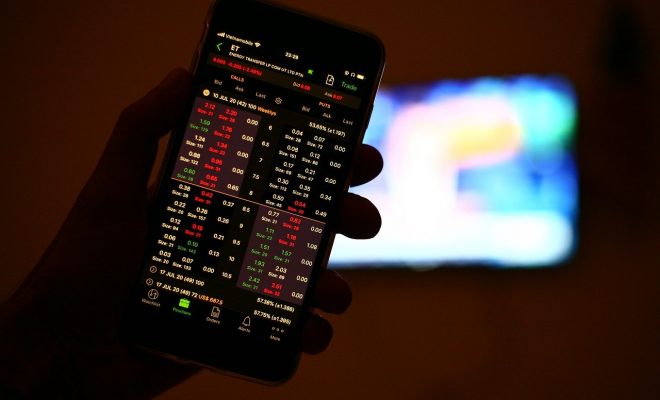
Trading refers to the process of buying and selling financial instruments such as stocks, currencies, commodities, and derivatives with the goal of generating profit. Unlike long-term investing, trading typically focuses on shorter time horizons and relies heavily on price movement, market behavior, and timing decisions.
Successful trading combines market knowledge, discipline, strategy, and risk management. It is not about guessing price direction but understanding probability and managing uncertainty effectively.
What Is Trading
Trading involves the exchange of financial assets through organized markets or digital platforms. Traders attempt to benefit from price fluctuations that occur over minutes, hours, days, or weeks.
Commonly traded instruments include:
- Stocks
- Forex currency pairs
- Commodities such as gold and crude oil
- Cryptocurrencies
- Futures and options contracts
- Exchange traded funds
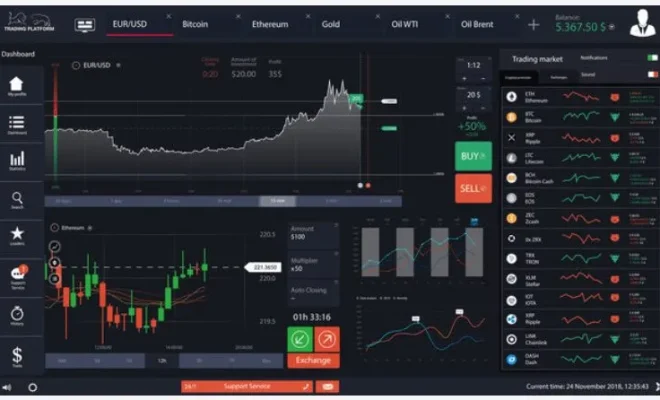
Traders usually operate through brokerage platforms that provide market access, charting tools, and execution systems.
Types of Trading
Different trading styles depend on time horizon and strategy preference.
Intraday Trading
Intraday trading involves opening and closing positions within the same trading day. Traders avoid holding positions overnight to reduce exposure to unexpected market news.
Key features include:
- Quick decision making
- High liquidity instruments
- Frequent trades
- Tight stop losses
Swing Trading
Swing traders hold positions for several days or weeks. They focus on capturing medium term price movements within trends.
Advantages include:
- Less screen time compared to intraday trading
- Better risk reward opportunities
- Suitable for working professionals
Positional Trading
Positional traders hold assets for weeks or months. Their strategy depends more on market trends and macroeconomic signals than short term volatility.
Scalping
Scalping involves making multiple small trades within minutes. Traders target very small price movements repeatedly throughout the day.
This method requires:
- Fast execution
- Strong discipline
- Advanced technical analysis skills
Major Financial Markets for Trading
Understanding where trading occurs helps traders choose the right instruments.
Stock Market
The stock market allows traders to buy and sell shares of listed companies. Prices move based on company performance, economic indicators, and investor sentiment.
Forex Market
The foreign exchange market is the largest financial market globally. It operates twenty four hours a day and involves trading currency pairs such as USD INR or EUR USD.
Commodity Market
Commodities include metals, agricultural products, and energy resources. Prices are influenced by global demand, geopolitical conditions, and supply disruptions.
Cryptocurrency Market
Cryptocurrency trading involves digital assets like Bitcoin and Ethereum. This market is highly volatile and operates continuously without closure.
Essential Trading Strategies
Successful traders rely on structured methods rather than random decisions.
Trend Following Strategy
Traders identify the direction of the market trend and trade accordingly.
Typical indicators used include:
- Moving averages
- Trendlines
- Momentum indicators
Breakout Strategy
Breakout trading focuses on price movements beyond support or resistance levels.
Traders look for:
- High volume confirmation
- Strong directional movement
- Continuation signals
Range Trading Strategy
Range trading works when markets move sideways. Traders buy near support levels and sell near resistance levels.
News Based Trading
Economic announcements such as interest rate decisions and inflation data can influence price movements significantly.
Experienced traders monitor:
- Central bank policies
- Employment reports
- GDP growth indicators
Risk Management in Trading
Risk management protects traders from large losses and improves long term survival in markets.
Key principles include:
- Never risking more than a small percentage of capital per trade
- Using stop loss orders consistently
- Avoiding emotional decision making
- Maintaining trading discipline
- Diversifying across instruments
Even profitable traders experience losses regularly. Managing those losses properly is what separates professionals from beginners.
Technical Analysis Basics
Technical analysis studies historical price behavior using charts and indicators.
Common tools include:
- Support and resistance levels
- Moving averages
- Relative strength index
- Candlestick patterns
- Volume analysis
These tools help traders identify entry and exit opportunities.
Fundamental Analysis in Trading
Fundamental analysis evaluates economic and financial conditions affecting asset prices.
Important factors include:
- Interest rates
- Inflation trends
- Corporate earnings
- Political developments
- Global economic stability
Combining technical and fundamental insights often produces better trading decisions.
Psychology of Successful Traders
Trading performance depends heavily on emotional control and consistency.
Strong trading psychology includes:
- Patience during uncertain conditions
- Confidence in tested strategies
- Acceptance of losses as part of the process
- Avoiding overtrading
- Maintaining realistic expectations
Emotional discipline is often more important than technical knowledge.
Common Mistakes New Traders Should Avoid
Beginners frequently lose money due to preventable errors.
Typical mistakes include:
- Trading without a strategy
- Ignoring risk management rules
- Overusing leverage
- Following market rumors blindly
- Changing strategies frequently
Avoiding these mistakes improves long term success probability significantly.
How Beginners Can Start Trading
Starting trading requires preparation rather than immediate execution.
Recommended steps include:
- Learning market basics thoroughly
- Practicing with demo accounts
- Choosing a regulated broker
- Starting with small capital
- Keeping a trading journal
A structured approach reduces early stage losses and builds confidence gradually.
Advantages and Challenges of Trading
Trading offers opportunities but also involves risks.
Advantages include:
- Flexible working structure
- Potential income generation
- Global market accessibility
- Continuous learning opportunities
Challenges include:
- Market volatility
- Emotional pressure
- Capital risk
- Need for discipline and consistency
Understanding both sides helps traders maintain realistic expectations.
FAQ Section
What is the difference between trading and investing
Trading focuses on short term price movements, while investing targets long term wealth creation through asset appreciation.
How much capital is required to start trading
Capital requirements vary depending on the market and strategy, but beginners should start with an amount they can afford to risk without financial stress.
Is trading suitable for beginners with full time jobs
Yes, swing trading and positional trading are more suitable for individuals who cannot monitor markets continuously.
Which market is best for beginners
Many beginners start with stock markets because they are easier to understand compared to derivatives and leveraged instruments.
Can trading generate consistent monthly income
Consistency depends on experience, discipline, and strategy performance. Beginners should not expect immediate regular income.
How long does it take to become a profitable trader
Learning curves differ for each individual, but most traders require months or years of practice before achieving stable performance.
Should traders rely only on technical indicators
Indicators are helpful tools, but combining them with risk management and market understanding produces better results overall.